Roots of Culture

Tools, Tips, and Tales for Culturally Meaningful Care

  • Haircare is so much more than shampoo, conditioner, and a style. For many families (especially in culturally diverse communities), haircare is a tradition, a ritual, and a way of staying connected across generations. The routines we practice today often come from the hands, hearts, and stories of those who cared for us long before we could care for ourselves.

    As I explore cultural haircare for my doctoral capstone, I’ve realized that the styles we wear and the routines we keep often reflect the values, teachings, and traditions passed down by our families. Haircare becomes a living legacy and one that continues to grow with each generation.

    For many families, haircare is woven into the rhythm of the week.
    Sunday evening wash days.
    The smell of hair grease or conditioner filling the house.
    The sound of beads clicking against braids.

    These moments often become rituals, not just tasks. I remember sitting between my mom’s knees, bonding through laughter, tears, and stories. The laughter was because my mom could only do 5 hairstyles. The tears were because she always brushed my hair a little too hard (or I was a little tender-headed). The stories were because, for some reason, hair always reminded her of her history. Even the process of detangling, though sometimes challenging, becomes an act of patience and love.

    These experiences teach children that haircare is more than appearance; it can be care, comfort, and connection.

    The First Teachers

    In many cultures, hair knowledge is passed down like a family recipe. Grandmothers teach techniques that their mothers taught them. Mothers teach daughters and sons how to moisturize, braid, twist, or wrap their hair. Aunties step in with tips, products, and guidance. I was blessed with many women in my life who shared their hair wisdom.

    These traditions create stability and pride.
    They also create autonomy: children learn how to take care of themselves by watching the ones who care for them most. Families often have their own signature styles or patterns. Styles that have been worn by generations. My grandmother only knew one hairstyle: 4 braided ponytails with hair clips were our common Sunday church appearance.

    Passing these down becomes a way of preserving cultural identity.

    When a child’s hair is celebrated at home, it reinforces pride. It builds confidence. It helps them feel grounded in who they are.

    Beyond technique, haircare strengthens relationships.
    The conversations during styling sessions often become the heart of family bonding. It’s a time when children open up, share stories, ask questions, and learn about their history.

    Haircare becomes a safe space, more than a simple ADL. It’s a place where children learn about identity, resilience, and culture without even realizing it.

    Family traditions in haircare shape far more than routines.
    They shape identity.
    They shape confidence.
    They shape the way children learn to love themselves.

    And that is why honoring cultural haircare is not only meaningful. It’s essential.
  • I recently had the privilege of interviewing Sheritta Hill, a beloved local hairstylist with over 30 years of experience in the hair industry. Sheritta isn’t just a professional stylist; she has been my hairstylist since I was eight years old. From Sunday morning silk presses to my prom hair, she has been part of my own hair journey for most of my life. For this interview, Sheritta graciously shared the essential haircare tips that every family should know, especially when caring for children with diverse hair types and textures. Her expertise, warmth, and deep commitment to the community shine through in every story she tells and every style she creates.

    In many families, the hairstylist is more than a professional. They’re a mentor, a storyteller, a trusted guide, and sometimes even a therapist. This interview highlights the heart behind haircare and why cultural understanding matters in every setting, including occupational therapy.

    Can you tell us a little about yourself and how you got started in the hair industry?

    I have always loved doing others’ hair. It has been a passion of mine since I was in the 6th grade. However, I never thought I had the personality to be a hairstylist. I always thought a hairstylist should be extraverted and engaging, and that was never me. I studied to be a teacher instead and worked as one before changing careers.

    In your experience, what does hair mean within Black families and communities?

    They value their hair and their children’s hair. Hair connects them with others in the community. They want to look good.

    From your experience, what challenges do families face when it comes to caring for natural hair?

    The biggest challenge can be a lack of education. A lot of parents, especially those of mixed children, don’t know where to start. Detangling can seem like a difficult process; length retention and hair growth can seem impossible. It just requires time.

    Have you worked with children who have sensory sensitivities during haircare, and how do you accommodate them?

    Yes, I have several patients who have autism or are simply tender-headed. I try to move with them while working on their hair. Kids in general are fidgety and move a lot, so I try to work with them. The most important thing I have learned about working with sensitive children is the importance of effective communication. Finding what works with each child has helped make the process smoother.

    What do you wish more parents understood about caring for natural hair?

    Detangling and conditioning are essential for maintaining healthy hair. Taking your time during the detangling process will save you from creating more knots or ripping the hair out. Also, trimming the split ends away often keeps the hair healthy.

    What routines do you most often recommend to parents?

    Don’t use heat every day. It is good to moisturize hair often, so oils on the scalp can increase moisture. Using a shower cap and a silk bonnet at night will be beneficial.

    What would you include in a toolkit for families learning to care for their child’s textured hair? 

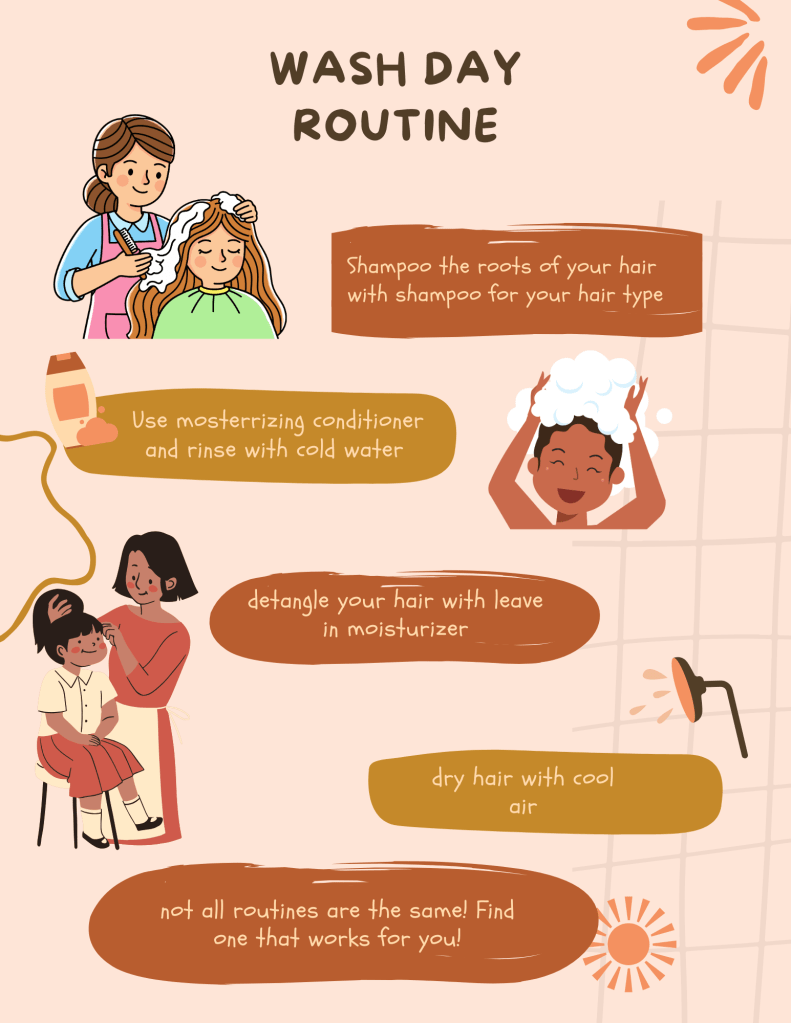
    Mosterizing shampoo, moisturizing conditioner, liquid oil, leave-in conditioner, detailing brush, and wide-tooth comb!

    Do you see any commonalities with hair styles?

    I do a variety of hair styles, but a perm press is the most common. However after the pandemic, a lot of my clients started to embrace their natural hair. During the pandemic, it was hard to find somewhere to do their hair, so they left it natural. They want more twists outs or protective styles to embrace their natural hair.

    Any comments to share?

    I am glad there is a resource to share the hair culture. Hair means so much to us. I have watched my clients leave my chair with confidence and a new sense of identity every time.

  • This year, St. Luke’s hosted its annual Fall Festival, a celebration filled with food, excitement, and most importantly, community. Families from all backgrounds came together to enjoy a day of fellowship, and I had the opportunity to be part of something truly meaningful.

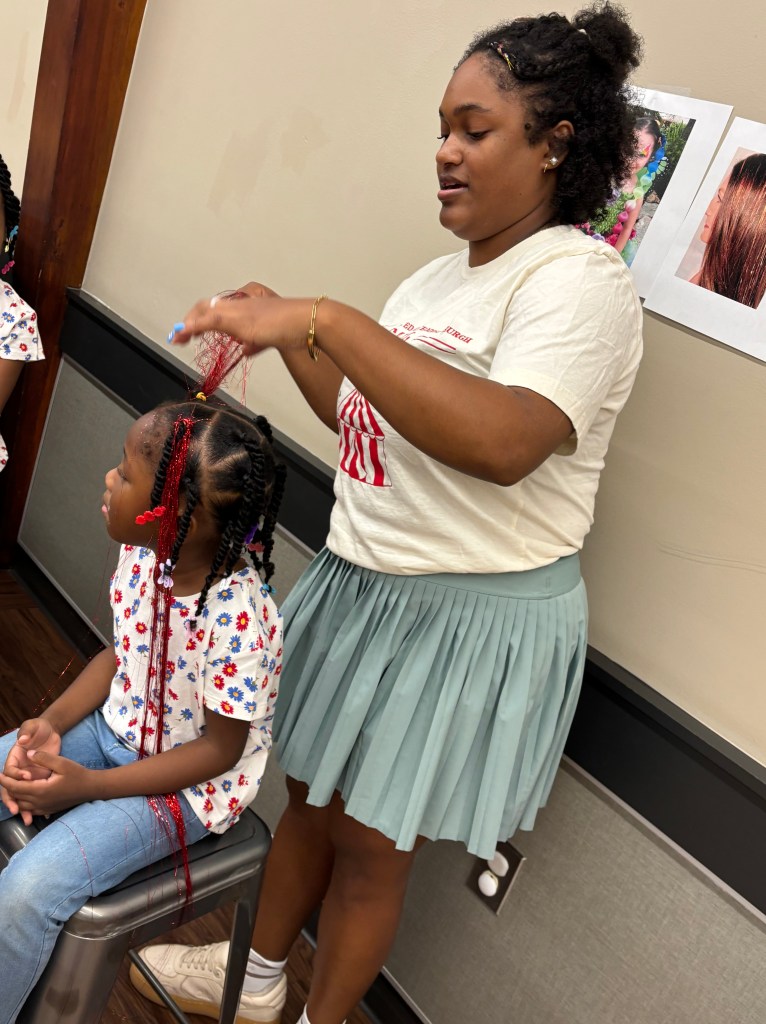
    As a capstone student focusing on culturally responsive haircare, I was invited to host a table dedicated to cultural hair care education. What began as a simple setup with combs, products, and hair samples quickly grew into a space of storytelling, joy, and connection.

    Throughout the day, I braided hair for children and adults who stopped by the table. While my hands moved, their stories flowed. Stories about first braids before school picture day, Saturday mornings spent at the salon, grandmothers who could braid with their eyes closed, and the pride that comes with embracing hair.

    Each braid became a moment of trust and a doorway into someone’s history. It reminded me that hair is deeply personal, often tied to culture, identity, and family memories. Being welcomed into those conversations was an honor.

    My goal was to educate the community about the importance of cultural hair care. how it relates to identity, how it manifests in daily routines, and how it impacts wellness and participation. Many families expressed how meaningful it was to see haircare recognized in a healthcare and educational setting.

    Parents asked questions about protective hairstyles, wash-day routines, and how to advocate for their child’s needs in school or clinical environments. These conversations reaffirmed that representation matters, especially in healthcare, where culturally specific needs are often overlooked.

    The Fall Festival was more than an event—it was a reminder of the strength that comes from community connection. The laughter, the shared stories, and the willingness of so many to engage in conversations about culture and identity made the day special.

    Leaving the festival, I felt inspired and grateful. Experiences like this reinforce why I chose haircare as my capstone focus: because culture deserves to be seen, honored, and celebrated.

    Colbie York

  • The church has long been a place where families could find guidance, resources, and support during challenging times. Whether through youth programs, mentorship, faith-based counseling, or simply the presence of caring adults, churches often fill gaps that other systems cannot. I have partnered with St. Luke’s Methodist church to spread the message of inclusive support.

    For families navigating illness, disability, or major life changes, faith communities frequently step in with meals, prayer, transportation, or emotional support. This kind of community care aligns directly with occupational therapy’s mission of helping individuals stay engaged in meaningful roles, routines, and environments.

    Many of the activities we associate with church are ADLs. Preparing for service, dressing children, doing hair, cooking for gatherings, or participating in Sunday morning choir are true occupations. They require time, skill, and cultural understanding. When families feel supported in these everyday tasks, they’re more able to participate fully in their faith community.

    This is why culturally responsive care matters. When therapists understand the importance of church-based routines, they can better support families in maintaining them. Something as simple as acknowledging the time and effort put into Sunday haircare, or assisting a family in adapting routines to meet a child’s needs, can make a major difference.

    Ultimately, the church represents connection: to God, to family, to tradition, and to cultural identity. It is a place where stories are shared, where identity is affirmed, and where families grow stronger together.

    Haircare, self-expression, and cultural rituals all play a role in that connection. And when families feel supported in these aspects of daily life, their participation in their faith and community only deepens.

    As I continue exploring the intersection of culture, haircare, and occupational therapy, the voices and experiences shared through the church remain a reminder of why inclusive, culturally aware care is essential.

    Colbie York

  • Why did I choose haircare as my doctoral capstone? Simple: I love my hair. My hair is my identity, my memories, and my story. For me and others, hair is far more than wellness or routine. It is culture. It is my expression. It is my connection.

    Haircare creates a sense of culture for everyone. Culture is who you are, and it deserves to be seen. A person’s culture shapes their worldview, their confidence, and their identity. When culturally meaningful practices are included in care, participation in therapeutic activities increases. People feel understood. They feel represented. They feel like the care was designed with them.

    My own hair has been a key part of many pivotal moments in my life. As I write this, I can’t help but think of all the hair memories that shaped me:
    My mom brushing my hair so hard it brought me to tears.
    My grandmother decorating my braids with beads that clicked and clacked as I walked.
    The sweet, recent memories of styling my sister’s hair before church, sharing laughs and stories.

    Each memory reminds me why this project matters. With every recollection, I grow more excited to learn about and celebrate others’ hair journeys as well.

    According to AOTA, about 80% of occupational therapists identify as white. Representation matters. Understanding matters. Cultural humility matters. I wanted to create a capstone that celebrates diverse identities and challenges the assumption that care can be one-size-fits-all.

    Not every person is the same and neither is their hair.

    Clients deserve treatment that reflects their culture, their hair type, their routines, and their lived experiences. Haircare is an important ADL, and families should feel represented, supported, and celebrated in the process.

    This project is my way of honoring that truth.

    Colbie York


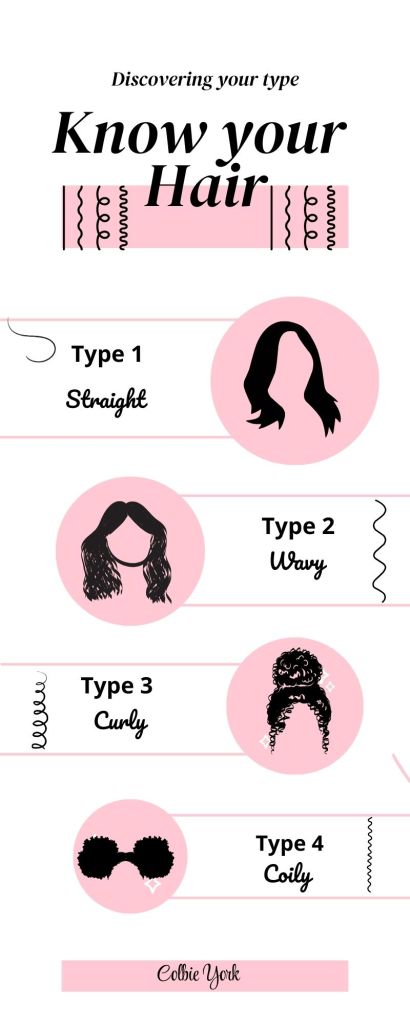
  • Occupational therapy refers to activities of daily living as ADLS. Typical ADLs are brushing teeth, dressing, bathing, and feeding. Haircare is often overlooked. Haircare is beyond washing and styling. Hair is a part of one’s identity and wellness. For many families, especially families with curls, coils, and texture, hair care is more than just grooming. It is an activity containing culture and connection.

                  Haircare is a part of everyone’s routine, falling under the OT domain of personal care & grooming. With washing, moisturizing, brushing, and styling, these tasks require time, routine, and practice. Just like learning to tie their shoes or brush their teeth, children gradually build independence in hair care with support, modeling, and repetition. Children with textured or curly hair may require more products and tools, but this does not make it “extra” work: it is their routine.

    Hair holds cultural significance in many communities, especially within the Black community. Pride and confidence are directly tied with hair. Hair routines become family moments. Wash day becomes a time for storytelling. Braiding becomes a moment of bonding. A child seeing their curls moisturized, defined, and cared for communicates, “My hair matters, and so do I.” When we frame haircare as an ADL, we validate the emotional and cultural importance wrapped within these routines.

    Many families are surprised to learn how much skill-building happens during haircare. Children practice fine motor skills through hair accessories and styling. Gross motor skills are improved by maintaining their posture during the routine, reaching their hands behind their head to style, and holding their head steady. For children with sensory sensitivities, autism, ADHD, or motor delays, haircare can be challenging. That’s exactly why OTs are uniquely qualified to help.

    Haircare is more than just “doing hair.”
    It is cultural.
    It is developmental.
    It is emotional.
    It is sensory.
    It is relational.
    It is occupational.

    Recognizing haircare as an ADL helps ensure that children, especially those with textured hair, receive care that respects who they are and supports them in building independence, confidence, and pride

    Colbie York, OTS

  • For many families, haircare is more than a daily routine. It’s a moment of connection, storytelling, and cultural pride. Whether it’s Saturday morning wash day, a quick before-school detangling session, or a special occasion style passed down through generations, these moments hold deep meaning. They teach children patience, identity, resilience, and confidence.

    As an occupational therapy doctoral student, I created this space because I saw a gap: while haircare is a meaningful Activity of Daily Living (ADL) for many children, culturally specific practices, especially Black and textured-hair care, are often overlooked in mainstream pediatric care and educational settings. I wanted Occupational Therapists to understand the cultural importance of their routines, the time involved, and the skills their children were learning through them.

    This blog is part of my capstone project, hosted in partnership with a local church community that values inclusion, family support, and community-grounded care. My goal is to celebrate, uplift, and support families by offering culturally responsive education, resources, and storytelling that reflect real experiences.

    From this, you can expect:

    Guides that explain haircare routines, sensory-friendly strategies, and how occupational therapy can support children’s participation.

    Information about the hands-on resources being created for families and caregivers—including assessments, visuals, and haircare tools designed with cultural representation in mind.

    Interviews with stylists, caregivers, and church community members who bring invaluable lived experience and expertise.

    My hope is that this blog becomes a place where families feel seen, supported, and celebrated. A place where culture and occupation meet. A place where children, parents, caregivers, and professionals can learn from and with each other.

    Thank you for being here. I’m excited to walk alongside you as we explore the beauty, meaning, and connection rooted in culturally inclusive haircare.